
CDSCO Import License India 2026: Complete Registration Guide for Medical Devices, Drugs and Cosmetics
Expanding a global healthcare, cosmetic, or pharmaceutical brand into the Indian consumer market offers unmatched growth potential. However, accessing this market legally requires strict adherence to national safety standards. For global manufacturers and local supply chain operators, securing a valid CDSCO Import License India 2026 is the primary legal mechanism required to clear cargo through regional customs checkpoints.
Managed by the Central Drugs Standard Control Organisation (CDSCO), this centralized framework guarantees that all incoming medical commodities are safe and effective. Failing to establish proper portal credentials or submitting incomplete technical documentation can result in frozen inventory, severe financial penalties, and disrupted supply pipelines.
1. Statutory Mandates for Cross-Border Healthcare Trade
The Central Drugs Standard Control Organisation, led by the Drugs Controller General of India (DCGI), acts as the central gatekeeper for all imported health products. Under the Drugs and Cosmetics Act and the Medical Devices Rules (MDR 2017), no foreign formulation, diagnostic tool, or cosmetic product can be legally distributed in India without an official import license.
This requirement applies to a broad range of products, split into three major regulatory lanes:
Pharmaceutical Cargo: Bulk drugs, active pharmaceutical ingredients (APIs), and finished biological therapeutics require detailed factory registration and active drug master files to ensure biochemical stability.
Cosmetic Shipments: Essential skincare, personal care, and aesthetic treatments must complete registration to verify compliance with heavy metal limits, ingredient specifications, and strict non-testing declarations on animals.
Medical Equipment: Ranging from basic diagnostic tools to complex surgical implants, all equipment is managed through automated single-window clearing networks linked directly to border security.
2. Navigating the Digital System: SUGAM Portal Setup
The modern CDSCO Registration Process operates entirely online, eliminating paper applications and improving processing tracking.
Profile Registration: The journey begins by completing the formal CDSCO Online Registration sequence on the official Sugam CDSCO Gov In digital gateway.
Appointing a Representative: Foreign manufacturers cannot open a portal account directly. International brands must legally appoint an Authorized Indian Agent (AIA) based within domestic borders.
Agent Requirements: The appointed AIA must hold a valid local wholesale drug license (such as Form 20B/21B) and an active corporate PAN card to act as your regulatory liaison.
Portal Review: Your agent uploads your corporate credentials, authorization letters, and facility location parameters for manual verification by the CDSCO IT audit cell. Profile verification typically takes 3 to 5 working days before product applications can begin.
3. Step-by-Step Approval Framework for Medical Hardware
To successfully complete your CDSCO Medical Device Registration Online track, your regulatory team must follow this multi-stage execution framework:
Step 1: Classify Your Product Tiers: Identify the exact risk category of your equipment under the MDR 2017 guidelines. Items are divided into Class A (low risk), Class B (low-to-moderate risk), Class C (moderate-to-high risk), and Class D (high risk). Getting this right forms the base of your entire application.
Step 2: Assemble the Technical Dossier: Compile all required supporting documentation, including an apostilled Power of Attorney (PoA), a valid Free Sale Certificate (FSC) from a recognized country, an overseas Plant Master File (PMF), and a detailed Device Master File (DMF).
Step 3: Execute the MD-14 Application: Your agent logs onto the portal and files Form MD-14, which is the formal application for a medical import permit. This step requires entering exact product specifications, dimensions, materials, and intended clinical uses.
Step 4: Remit Government Fees: Pay the required processing fees securely through the portal's integrated BharatKosh gateway. Fees are determined by the device's risk class and the number of manufacturing sites.
Step 5: Resolve Clarification Queries: The CDSCO review board evaluates your documentation. If they find formatting gaps or require clarification, they will issue an official online query. Your agent must respond promptly with clear evidence to keep the application moving forward.
Step 6: Final Issuance: Once the reviewers are satisfied, the agency grants the official MD 15 CDSCO Medical Device Import License, allowing your business to legally import, stock, and distribute your products.
4. Operational Classification Table for Medical Devices
The complexity of your registration path and the required processing fees depend directly on the risk tiering of your equipment portfolio.
Device Risk Class | Clinical Risk Level | Typical Product Examples | Reviewing Authority | Licensing Timeline |
|---|---|---|---|---|
Class A | Low Risk | Manual surgical instruments, tongue depressors, clinical thermometers | Central Licensing Authority (CLA) | 1 to 2 Months (Exempt from MD-15 if non-sterile/non-measuring) |
Class B | Low-to-Moderate Risk | Hypodermic needles, blood pressure monitors, suction pumps | Central Licensing Authority (CLA) | 2 to 4 Months |
Class C | Moderate-to-High Risk | Infusion pumps, ventilators, hemodialysis machines | Central Licensing Authority (CLA) | 3 to 6 Months (May include site audits) |
Class D | High Risk | Cardiac stents, pacemakers, invasive orthopedic implants | Central Licensing Authority (CLA) | 6 to 9+ Months (Requires clinical data reviews) |
5. Technology Overlaps and Software Compliance
Modern healthcare relies heavily on cloud informatics, mobile diagnostic tools, and Software as a Medical Device (SaMD). The CDSCO evaluates software security, code encryption, and patient data protection just as thoroughly as physical hardware components.
To navigate these overlapping tech regulations, forward-thinking medical technology developers are utilizing established technology frameworks. Securing an active NASSCOM membership or completing a formal NASSCOM registration provides tech-driven importers with valuable tools.
These industry networks help businesses integrate standard cybersecurity safeguards, software quality management, and data localization protocols directly into their product documentation. Aligning your internal software design with recognized IT standards makes it much easier to clear the complex technical reviews required during your CDSCO Registration in India 2026 workflow.
Conclusion
Securing a Medical Device Import License India 2026 requires careful regulatory planning, accurate device risk classification, and thorough documentation. By avoiding common filing mistakes—such as mismatched labeling text, expired ISO 13485 quality certificates, or incomplete device master files—your enterprise can secure its vital market access licenses efficiently.
Partnering with experienced compliance specialists ensures your technical documentation stays aligned with changing ministry rules. This proactive approach protects your capital investment, speeds up customs clearance at border entry points, and helps you launch your health products successfully in India's growing commercial market.
Frequently Asked Questions (FAQs)
1. Are any low-risk medical products exempt from the CDSCO MD15 import license?
Yes, under current regulations, Class A non-measuring and non-sterile medical devices are exempt from the formal MD-15 import license requirement. However, these items are not completely exempt from oversight; importers must still complete basic portal registration to list product specifications and secure regulatory visibility before commercial distribution.
2. What are the primary causes of document delays during the SUGAM portal review?
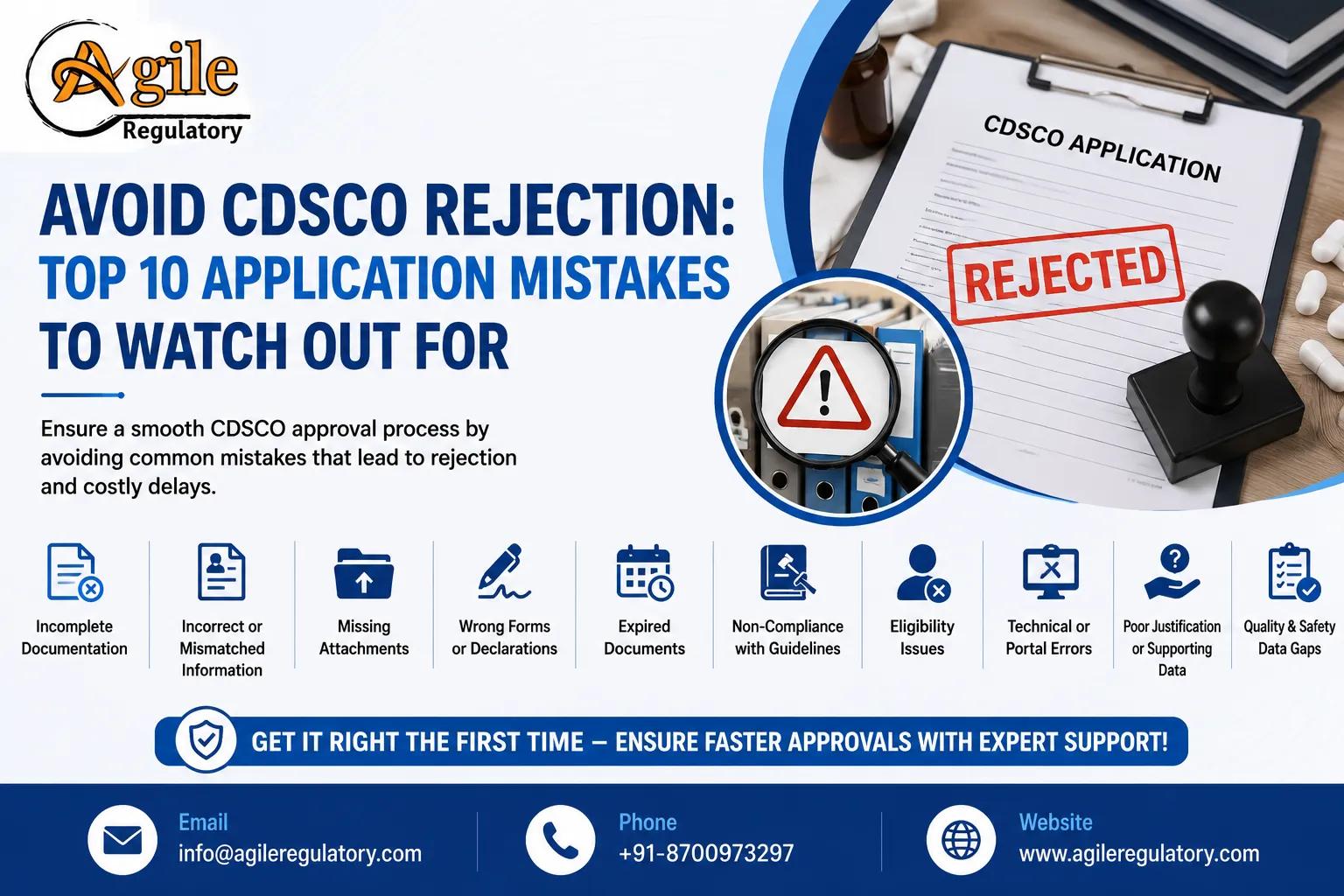
The most common reasons for application delays or rejections include:
Text on packaging artwork that does not match the information on the country-of-origin Free Sale Certificate exactly.
Incomplete technical dossiers that lack detailed raw material biocompatibility data or up-to-date bench testing reports.
Submitting low-resolution, un-notarized, or un-apostilled document scans that do not meet portal standards.
3. What is the official validity period of a newly issued CDSCO import certificate?
Licenses issued by the CDSCO are perpetual, meaning they remain valid indefinitely as long as your business maintains ongoing compliance and pays the necessary license retention fees every five years. If the retention fees are not paid within the required timeframe, the license is automatically cancelled, and the business must start the registration process over.
4. What happens if a Class C or Class D device does not have a Free Sale Certificate from a major global market?
If a high-risk medical device lacks a Free Sale Certificate from a major recognized regulatory jurisdiction (such as the USA, EU, Canada, Australia, or Japan), the CDSCO review board may require local clinical trials or clinical investigation studies within India before granting market approval.
5. Why do software-driven diagnostic tools face additional scrutiny during registration?
Because modern medical technology often includes mobile health applications and cloud-connected platforms, the CDSCO reviews data encryption, patient privacy safeguards, and software patch protocols to ensure patient safety. Aligning your platform with recognized tech industry standards can help speed up this technical review process.